
 By rosebell
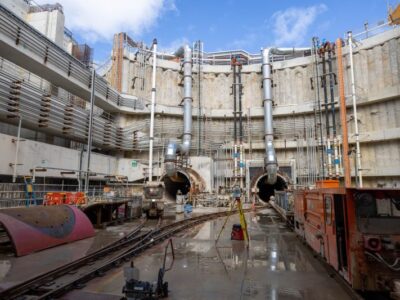
The project’s main tunnelling contract, awarded in September 2025, includes construction of two new tunnels, rehabilitation of existing tunnel sections, the 116 St station box, seven shafts and structural shells for the 116 St and 125 St stations.
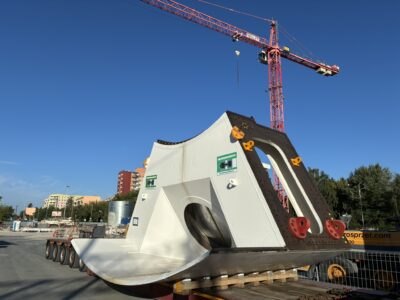
According to the MTA, final design under the contract is now more than 50% complete, the TBM is under construction and crews are preparing its launch site ahead of excavation. Work has also started on excavation of the 125 St entrance shaft. Substantial completion of the package is scheduled for September 2029.
Phase 2 will extend Q Line services approximately 1.5 miles (2.4km) north from the existing terminus at 96 St to 125 St and Lexington Avenue, with new stations at 106 St, 116 St and 125 St. The overall project is scheduled for completion in autumn 2032.
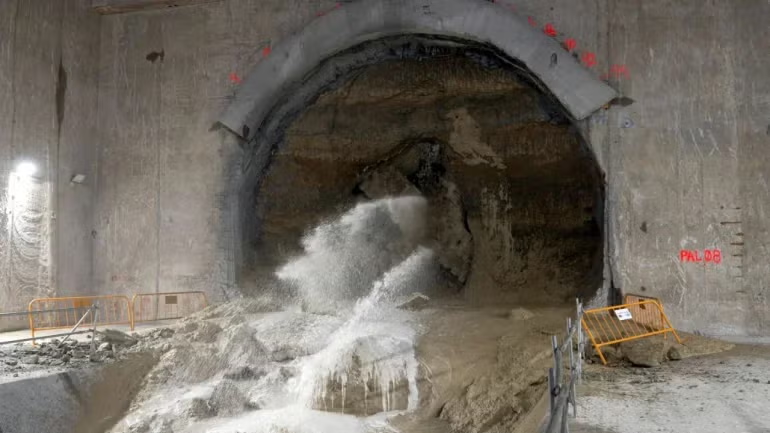
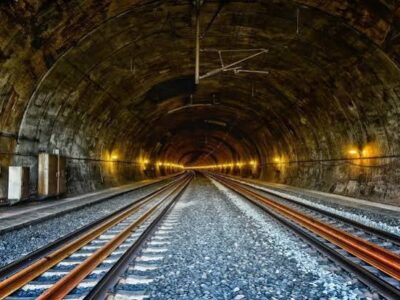
A significant feature of the tunnelling programme is the reuse of sections of tunnel excavated during an earlier attempt to construct the Second Avenue Subway in the 1970s. Work began on the line in East Harlem in 1972 but was abandoned in 1975 during New York City’s fiscal crisis. Existing tunnel structures from that programme will now be incorporated into Phase 2, including at 116 St.
Alongside the main tunnelling package, a third contract awarded in April this year covers excavation and construction of the 106 St station structural shell, tunnel connections, ancillary buildings, station entrances and utility works. That package is due for substantial completion in the third quarter of 2030.
The MTA has now issued a Request for Qualifications (RFQ) for Contract Four, the largest and final construction package for Phase 2. An RFP is expected to be issued to shortlisted contractors by the end of 2026, with contract award targeted for mid-2027 and construction beginning later that year.
Although primarily a systems and fit-out package, Contract Four includes significant tunnel-related works. The successful contractor will provide systems fit-out to the three new stations and connecting tunnels, including track, third rail, traction power, wayside signalling, train detection and communications infrastructure.
The package will also install tunnel and station mechanical and electrical systems including ventilation, smoke management, fire protection, power, lighting, drainage and emergency systems. Six above-ground ancillary structures will accommodate ventilation, mechanical and electrical equipment.
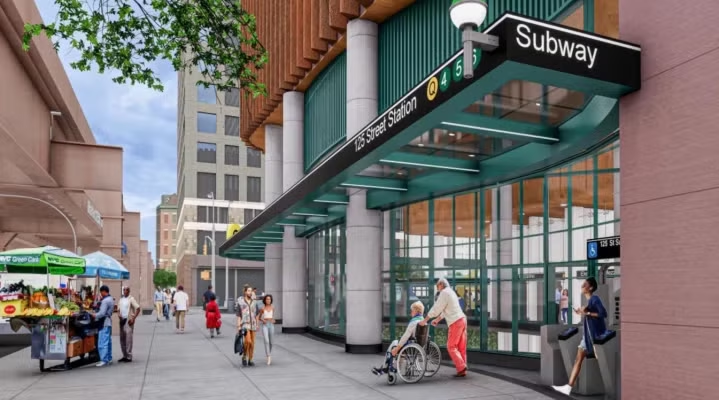
At 125 St, the contract will complete the connection between the new station and the existing Lexington Avenue Line station serving the 4, 5 and 6 services, together with an additional entrance at Park Avenue providing access towards Metro-North’s Harlem-125 St station.
The first Phase 2 contract, awarded in January 2024, covers advance utility relocation around the future 106 St station and is approximately 60% complete. MTA said carrying out utility relocation in advance was one of the principal lessons learned from construction of Phase 1.
The MTA says it has reduced the projected cost of Phase 2 by more than US$1bn by applying lessons from the first phase of the Second Avenue Subway. The US$6.968bn extension is supported by US$3.4bn of federal funding together with revenue from New York’s congestion relief programme.