 By rosebell
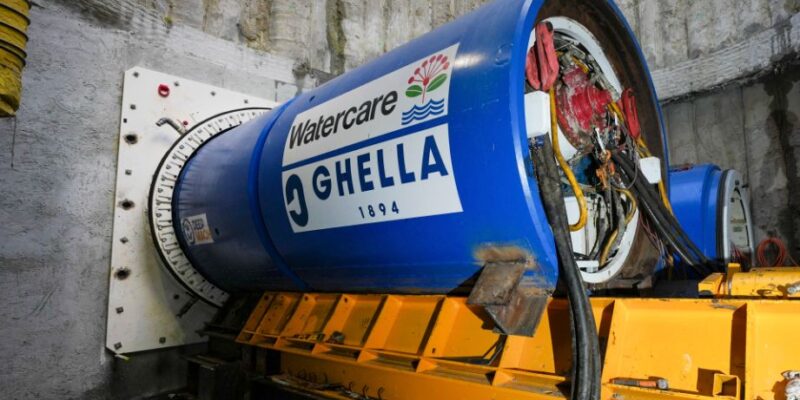
Ghella has commenced tunnelling on Watercare’s Herne Bay Collector project in Auckland, New Zealand, with a micro tunnel boring machine (MTBM) named Domenica beginning excavation of the first of seven tunnel sections.
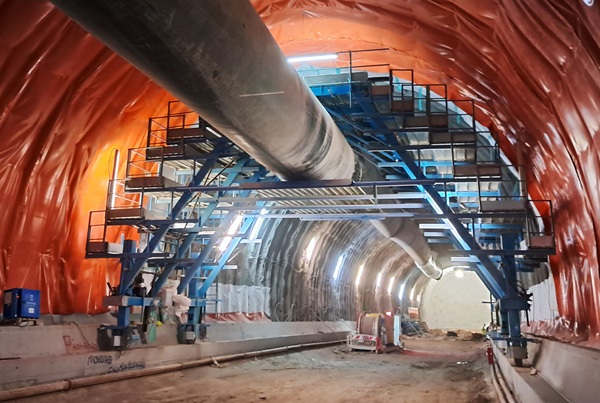
The 1.7km-long, 2.1m-diameter wastewater tunnel is designed to reduce combined wastewater and stormwater overflows into the Waitematā Harbour. It will connect Herne Bay’s existing network to Auckland’s Central Interceptor, which carries wastewater for treatment at the Māngere Wastewater Treatment Plant.
The project includes seven main shafts, three intermediate shafts and a seven-storey underground control chamber within a 20m-deep shaft beneath Point Erin Park.
The NZ$260m Herne Bay Collector forms part of Watercare’s NZ$1.6bn Waitematā Water Quality Improvement Programme, which builds on the benefits of the Central Interceptor. The wider programme is one of nine workstreams within Watercare’s NZ$15.2bn, 10-year capital investment programme, comprising more than 1,000 projects.
Once operational, the collector will capture wet-weather flows from Herne Bay’s combined wastewater and stormwater network and divert them to the Central Interceptor. It will have the capacity to convey up to 6,000 litres per second of combined and wet-weather flows.
Watercare chief infrastructure officer Mark Crowle said microtunnelling would help minimise disruption at the surface by allowing most construction work to take place underground from a series of shafts, rather than requiring a continuous trench through residential streets.
Ghella New Zealand country director Rosario Barresi said Domenica is expected to complete its first 626m drive around the middle of next year.
Barresi described the launch as an important milestone for the project team, highlighting the planning and precision required to deliver underground infrastructure in a constrained residential environment, with homes located close to construction sites.