 By rosebell
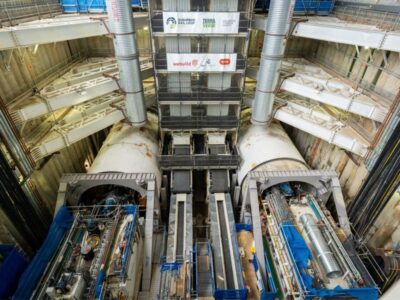
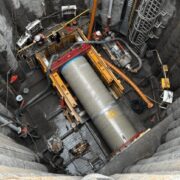
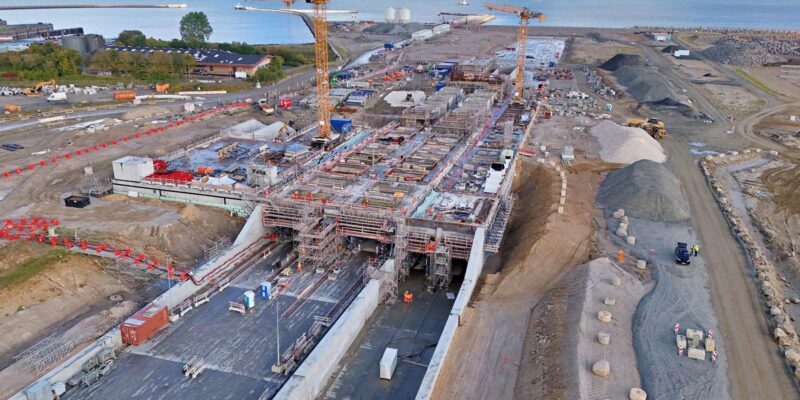
Structural works have been completed at the German portal of the Fehmarnbelt Tunnel following approximately three years of construction. The milestone marks the completion of the 600m land-based section, comprising 450m of cut-and-cover tunnel and a 150m light transition zone.
Concreting at the German construction site began in autumn 2023. The tunnel was built in sections using conventional construction methods, with each section following a sequence of base slab, side walls and roof construction. The final section of the tunnel roof was concreted in October 2026, completing the main structural works.
A key stage in the construction process was the removal of the temporary retaining dyke that enclosed the tunnel portal construction pit. After the first 100m of cut-and-cover tunnel had been completed in summer 2024, a new dyke was constructed above this section. Bulkheads were installed at the seaward ends of the tunnel tubes to make them watertight, allowing the area between the two dykes to be flooded and the temporary retaining dyke removed.
By autumn 2024, the seaward section of the cut-and-cover tunnel was underwater. This section will form the connection point for the first immersed tunnel element on the German side.
Construction of the remaining cut-and-cover section subsequently continued inland from the coast. The works also included a portal building to house technical equipment, together with ramps for the road and railway approaches to the tunnel.
Concrete for the portal structure was produced at an on-site batching plant. Most construction materials were delivered by cargo vessels through the Puttgarden work harbour, which has been operational since July 2023. This logistics arrangement has reduced the need for heavy goods vehicles to transport materials across Fehmarn Island.
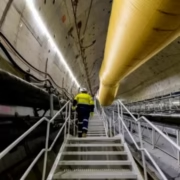
Finishing works are now under way at the German portal, including work on the openings in the light transition zone. Installation of fire protection panels inside the tunnel tubes is also beginning.
Before the first immersed tunnel element can be connected to the German portal, further elements must be immersed on the Danish side and the tunnel trench off the German coast prepared.
“It is impressive to see what has been achieved here at the German construction site in just a few years. Many people from different trades have worked extremely hard to make this possible. I am very proud of what we have achieved together,” said Sund & Bælt contract director Matthias Laubenstein.
In September 2026, the fourth immersed tunnel element was installed, bringing the completed length of the 18km immersed tunnel to nearly 900m. The first of the 10 special elements has also been prepared for immersion.