 By rosebell
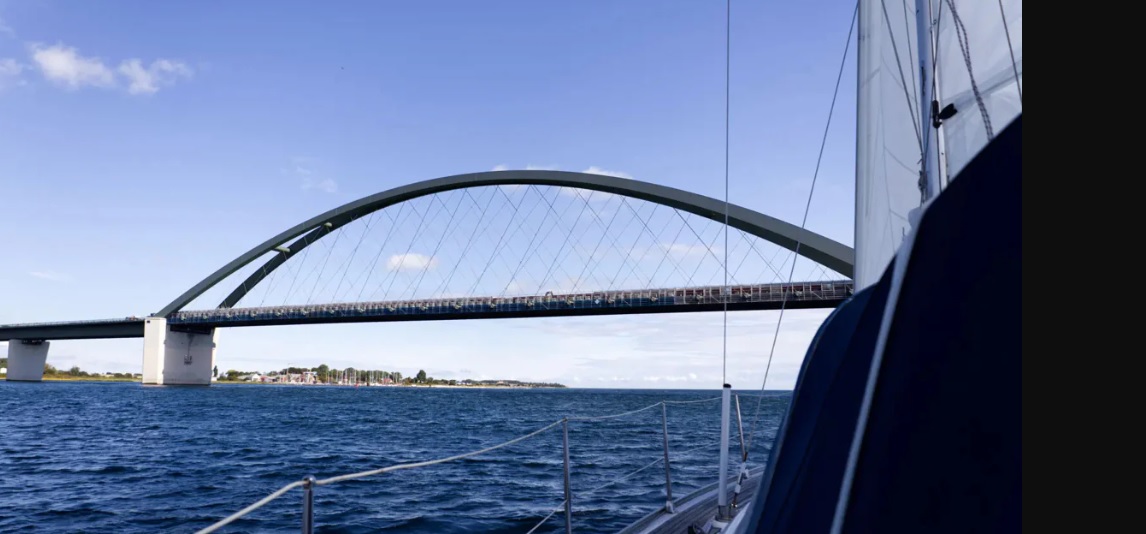
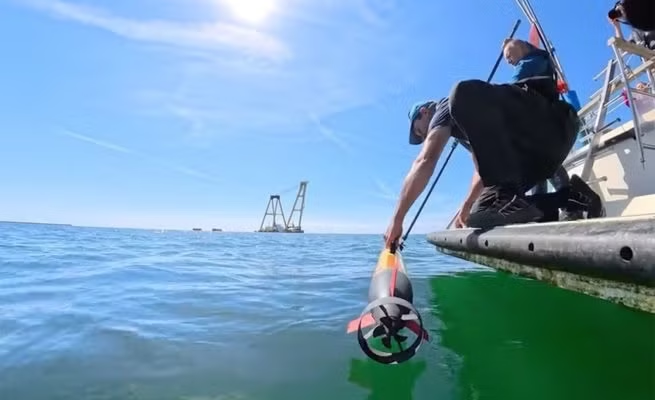
An underwater drone is being used to monitor water quality around the construction of the Fehmarnbelt Tunnel.
The drone survey continuously provides data on the particles stirred up from the seabed during construction of the immersed tunnel between Germany and Denmark.
International consultancy and research organisation DHI deploys the autonomous drone along a pre-planned route. It takes measurements close to the area where the work is taking place, without being connected to the vessel by a cable. This allows it to collect precise data close to the source while limiting disruption to the construction work and reducing health and safety risks.
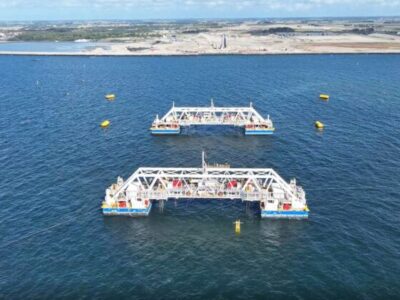
The monitoring programme has followed construction work since excavation of the 18km tunnel trench began. At that time, large quantities of material were dredged from the seabed. The work has now entered a new phase as immersion[https://www.tunnelsandtunnelling.com/news/third-fehmarnbelt-tunnel-element-immersed/] of the tunnel elements is under way.
The purpose of the surveys is to document the project’s impact on the marine environment and to ensure the contractor’s work remains within the established limits for sediment spill.
DHI and Sund & Baelt have collaborated on surveys, modelling and environmental consultancy since the preliminary investigations began in the mid-1990s.
Meanwhile, Denmark has gained 300,000m2 of new coastal nature reserve from material excavated to form the tunnel trench. Located east of the tunnel factory at Rødbyhavn, the area is the first section of a total of 7km of new coastal development.
The new landscape has been designed as varied coastal terrain and includes three ponds to support flora and fauna.
“We have reused material from the seabed to create an area where people can experience distinctive coastal nature, with walking trails, ponds and wildlife including birds, amphibians and insects,” said Ditte Hjort, project manager for nature initiatives at Sund & Bælt.