 By rosebell
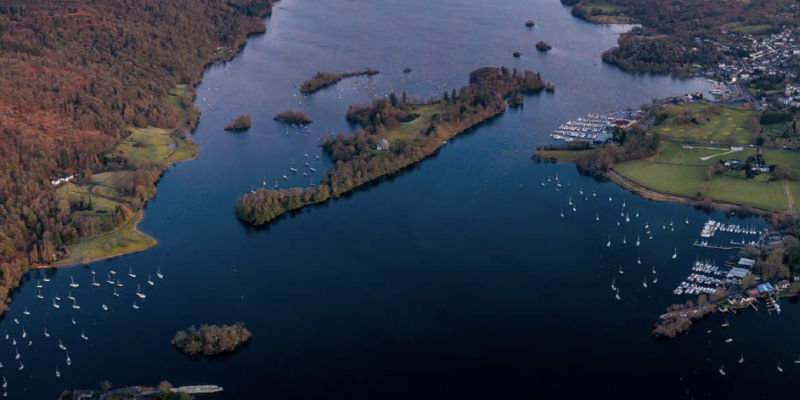
The proposals are outlined in the Only Rainwater into Windermere feasibility report, published on 21 October 2026. Engineering consultants Jacobs and Mott MacDonald assessed more than 70 potential solutions before identifying two preferred schemes involving 14km and 19km of tunnelling.
Both options would include a deep gravity tunnel beginning near Ambleside and extending along the length of Windermere’s catchment to intercept wastewater currently entering the lake.
Two Tunnel Options Under Consideration
The first option would transfer wastewater towards Ulverston, requiring approximately 19km of tunnelling and 42km of rising mains. The estimated total construction cost is £3.7bn.
The alternative would direct wastewater towards the River Leven, requiring approximately 14km of tunnelling and 35km of rising mains, at an estimated cost of £3.6bn.
The feasibility study identifies tunnelling as the most effective and least disruptive approach to transferring wastewater through the environmentally sensitive Lake District landscape.
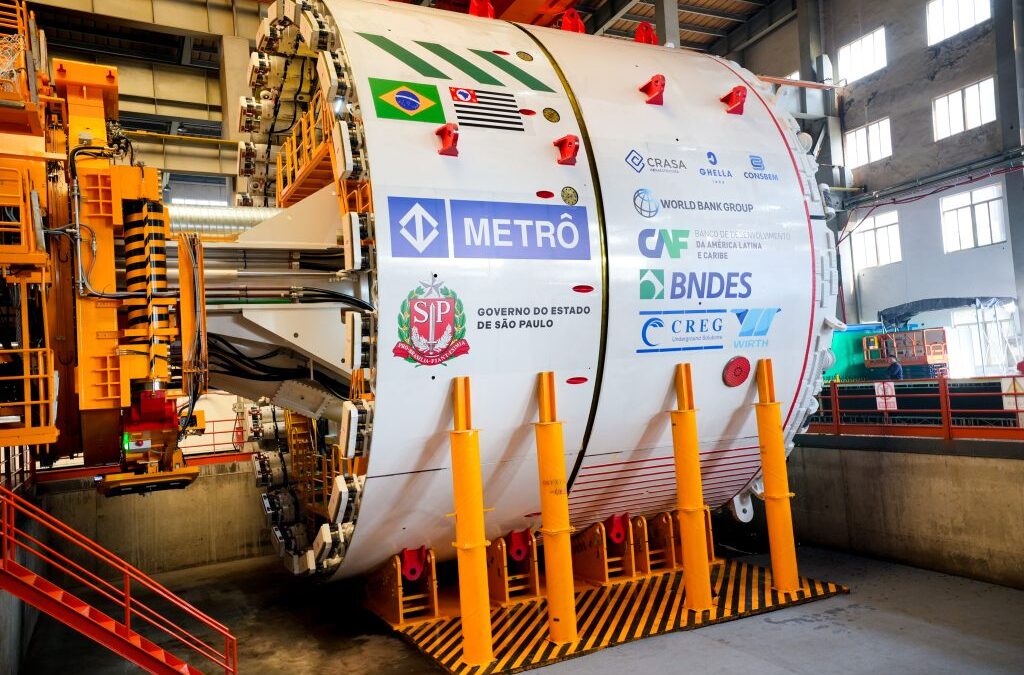
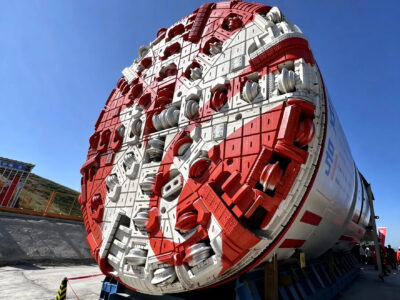
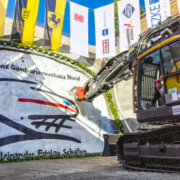
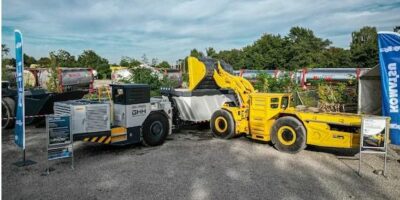
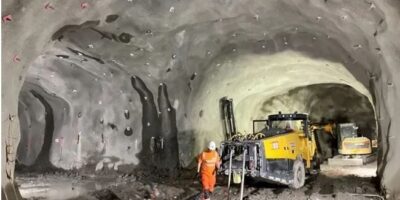
The final tunnel alignment, diameter and construction methodology have not yet been determined. Trenchless techniques, including tunnel boring machines (TBMs) and pipe jacking, are among the methods being considered to minimise surface disruption.
Further engineering investigations, detailed design, environmental assessments and stakeholder engagement will inform the selection of a preferred option.
Wider Sewerage Network and Treatment Upgrades
Both schemes extend beyond the main wastewater transfer tunnel. The proposals also include:
- 77km of additional sewerage network to provide first-time connections for approximately 12,800 people.
- 35km of highway runoff interception infrastructure.
- 37 hectares of sustainable drainage measures to manage surface water.
- New or upgraded downstream wastewater treatment facilities, potentially supported by existing works converted into pumping, storage or transfer facilities.
The programme could increase wastewater infrastructure across the Windermere catchment by up to 75%, consolidating treatment at a downstream location while reducing sewage entering the lake.
Seven-Year Construction Programme Proposed
The feasibility study envisages a seven-year construction programme following planning, consenting and detailed design, with delivery potentially beginning in 2030.
An indicative schedule includes early shaft construction, followed by several years of tunnelling alongside pumping station construction and upgrades to wastewater treatment facilities.
The report also draws on experience from major UK infrastructure projects, including the Thames Tideway Tunnel, Haweswater Aqueduct Resilience Programme and West Cumbria Pipeline Project, as well as international wastewater tunnelling schemes.
£7.5bn in Potential Economic and Environmental Benefits
Edward Twiddy, Independent Convener of the Only Rainwater into Windermere Coalition, said the feasibility study demonstrated the need for a fundamental change in wastewater infrastructure investment.
The report argues that an integrated sewer network and tunnel could deliver the required environmental outcomes while reducing the prolonged disruption associated with incremental interventions.
The study estimates that the proposed investment could generate approximately £7.5bn in economic, environmental and social benefits over the infrastructure’s lifetime, equivalent to around £1.90 for every £1 invested.
United Utilities Chief Executive Louise Beardmore said rising temperatures, population growth and increased rainfall required a transformational approach to creating a resilient wastewater system.
The two preferred options will now undergo further assessment to establish the preferred route, treatment and discharge locations, construction methodology and funding arrangements.
Project Remains at Feasibility Stage
The Only Rainwater into Windermere Coalition comprises United Utilities, the Environment Agency, Lake District National Park Authority, Love Windermere, Save Windermere and Westmorland and Furness Council.
No final investment decision has been made. The project remains at feasibility stage, with further technical and environmental work required before a preferred scheme can be confirmed.