
 By rosebell
The utility has terminated its previous procurement for a £242 million Tunnelling Main Works Contract and now intends to combine the project’s tunnelling, major civil engineering and new tertiary water-treatment facilities into a single construction package.
The change represents a substantial new opportunity for the UK and international tunnelling supply chain, with Thames Water expected to begin procurement for the enlarged contract before the end of 2026.
The Teddington Direct River Abstraction, or TDRA, scheme is being developed to increase London’s resilience to prolonged drought and forms part of Thames Water’s long-term Water Resources Management Plan.
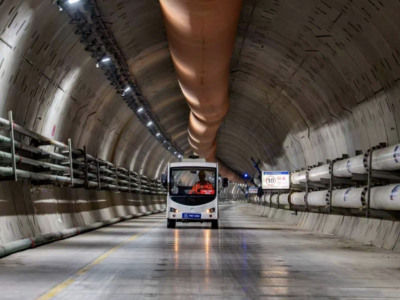
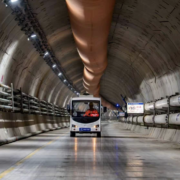
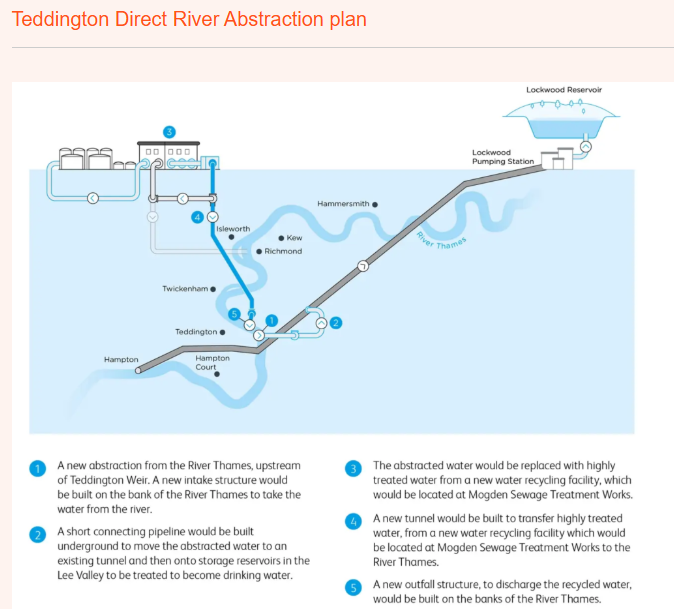
At the centre of the project is a new approximately 4.2 km long, 3.5 m internal diameter tunnel between Mogden Sewage Treatment Works and the River Thames upstream of Teddington Weir.
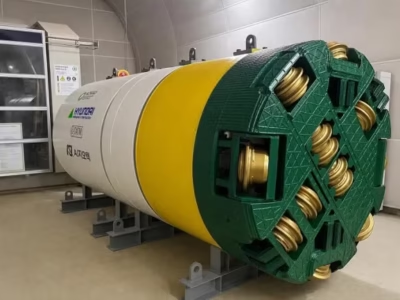
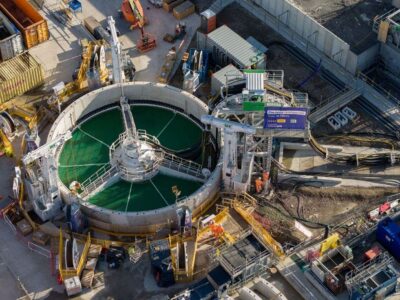
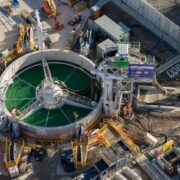
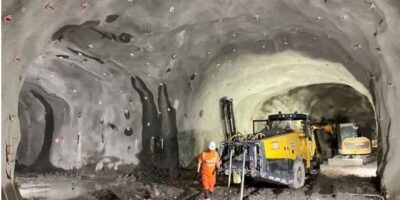
The tunnel is planned to be excavated using a tunnel boring machine and the reference design includes four shafts. It will carry highly treated recycled water from a new tertiary treatment facility at Mogden to a new discharge structure on the Thames.
A second underground connection will be constructed between the new river abstraction intake and the existing Thames Lee Tunnel. Earlier procurement documentation described this as a smaller diameter connection of up to approximately 2.2 m internal diameter, installed by pipe jacking. The latest reported design puts this connection at approximately 150 m long.
During periods of drought, Thames Water would abstract up to 75 million litres of water per day from the River Thames upstream of Teddington Weir. The water would be transferred via the Thames Lee Tunnel towards the Lee Valley reservoirs for treatment and use within London’s drinking-water network.
To maintain river flows, wastewater from Mogden Sewage Treatment Works would undergo an additional treatment process in the proposed tertiary treatment plant before being transferred through the new tunnel and returned to the Thames.
Thames Water says the system would principally operate during drought conditions, currently estimated at approximately once every two years, with the treatment facility operating at a lower maintenance flow at other times.
The company’s original tunnelling procurement was launched on 28 May 2025 under reference SO2267, with an estimated value of £242 million including VAT. Thames Water planned to shortlist up to four contractors, with the procurement structured around an early contractor involvement and subsequent construction phase.
That competition has now been terminated. Thames Water has confirmed that the decision not to proceed with the contract award was taken on 6 July 2026. Although the company was not required to issue a Procurement Termination Notice, it said it was doing so voluntarily to provide transparency and certainty to the market.
Rather than separately appointing tunnelling and treatment contractors, Thames Water will now seek a single principal contractor responsible for the main civil engineering, tunnelling and advanced treatment plant works.
The revised strategy is intended to reduce interfaces between major construction packages while improving programme control and delivery certainty. The enlarged package is reported to have a value of approximately £500 million, making it one of the most significant forthcoming UK water-sector tunnelling procurements.
The change follows continuing development of the TDRA design. Following statutory consultation during 2025, Thames Water held a further supplementary consultation between 21 May and 18 June 2026, including revised proposals around Burnell Avenue. Other design developments have included changes to the location of the tertiary treatment plant within Mogden Sewage Treatment Works and modifications to the project’s surface works and tunnel connections.
Thames Water now intends to submit its Development Consent Order application in early 2027. Subject to planning, procurement and regulatory approvals, the main construction programme is expected to begin in 2029 and run for approximately four years.
The scheme is being progressed against the backdrop of a significant projected water-supply deficit in London. Thames Water has forecast that the capital could face a shortfall of around one billion litres per day by 2050 without additional measures.
Ofwat has also continued to support development of the scheme through the RAPID process. Its Gate Three decision records an AMP8 development allowance of £31.05 million, with earlier underspend also permitted to be carried forward to support further project development.
For tunnelling contractors and specialist suppliers, attention will now turn to Thames Water’s replacement procurement. The decision to combine the tunnel, shafts, river structures, civil engineering and treatment works creates a substantially larger opportunity than the original £242 million tunnelling contract, with the new competition expected to reach the market before the end of 2026.