
 By rosebell
A former Sydney Metro chief executive and Transport for NSW project director has been appointed to lead the delivery of Australia’s Snowy 2.0 pumped hydro energy storage project.
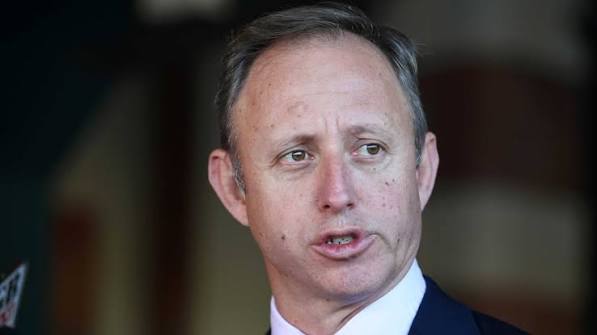
Rodd Staples will succeed outgoing project leader Dave Evans, taking responsibility for overseeing the performance of principal contractor Future Generation Joint Venture (FGJV) and the project’s 5,500-strong workforce.
Staples most recently worked on the Qiddiya development in Riyadh, Saudi Arabia. Commenting on his appointment, he highlighted the importance of Snowy 2.0 to Australia’s energy security and the challenges associated with delivering major infrastructure projects amid global uncertainty.
“Snowy 2.0 is about our energy sovereignty. Its capacity to store renewable energy is leading on a global scale,” he said.
“My message to the team, the principal contractor and to Australia is pretty simple – let’s get this done.”
Snowy Hydro chief executive officer Dennis Barnes described Staples’s appointment as an exciting new chapter in the project’s delivery.
“Rodd’s accomplishments with Sydney Metro and Sydney CBD Light Rail speak for themselves. These are defining pieces of infrastructure, delivered despite numerous technical and contractor challenges,” he said.
“Snowy 2.0’s complexity, uniqueness and scale are on another level. Rodd is up for the challenge.”
Barnes also acknowledged Evans’s contribution, who has led the project since 2023. He credited Evans with helping to reset a stalled project, establish more effective contract arrangements and improve safety performance and construction momentum.
“Dave was instrumental in taking a stalled project, getting the contract settings right and helping Snowy 2.0 achieve the safety performance and momentum that it has,” Barnes said. “Dave hands over the project in its strongest position yet.”
Snowy 2.0 underwent a major project reset in 2023. More recently, following a cost review by FGJV, Snowy Hydro announced a revised target cost of A$22bn in September, with an allowance for the overall project cost to reach A$25bn.
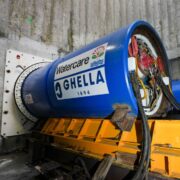
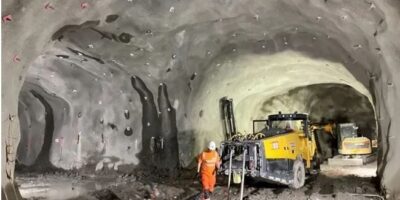
Construction of the underground power station complex has commenced, with the facility located almost 1km beneath the surface. The development connects the upper Tantangara and lower Talbingo reservoirs through headrace and tailrace tunnels.
Once operational, Snowy 2.0 will provide pumped hydro energy storage, helping to store surplus renewable electricity and supply power when demand is high.