 By rosebell
A joint venture comprising Japan’s Nishimatsu Construction, India’s Tata Projects Limited and Japan’s Toda Corporation has secured a major underground construction contract for Dhaka Mass Rapid Transit (MRT) Line 1 in Bangladesh.
The contract, designated Package CP-06, is valued at approximately JPY103.1bn and covers the construction of twin metro tunnels, three underground stations and associated infrastructure along the section between Airport Station and Nadda.
Nishimatsu Construction announced the award on 10 November 2026. The client is Dhaka Mass Transit Company Limited (DMTCL), while design responsibilities have been assigned to the NKDOS consortium.
Twin EPB tunnels and underground stations
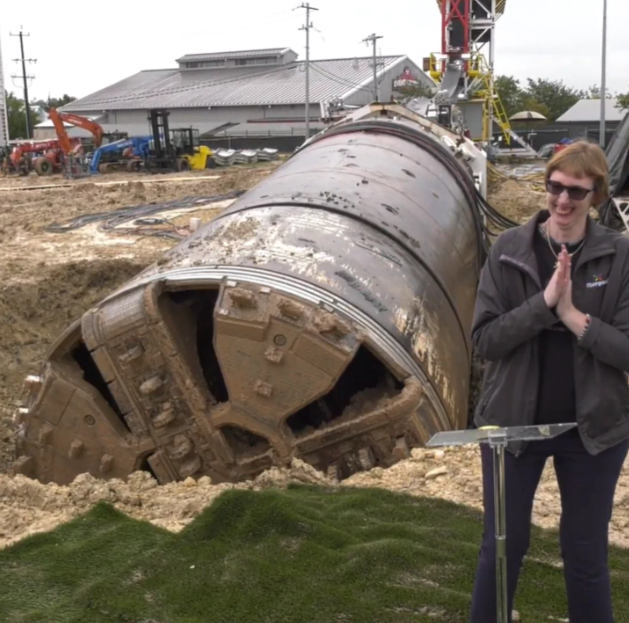
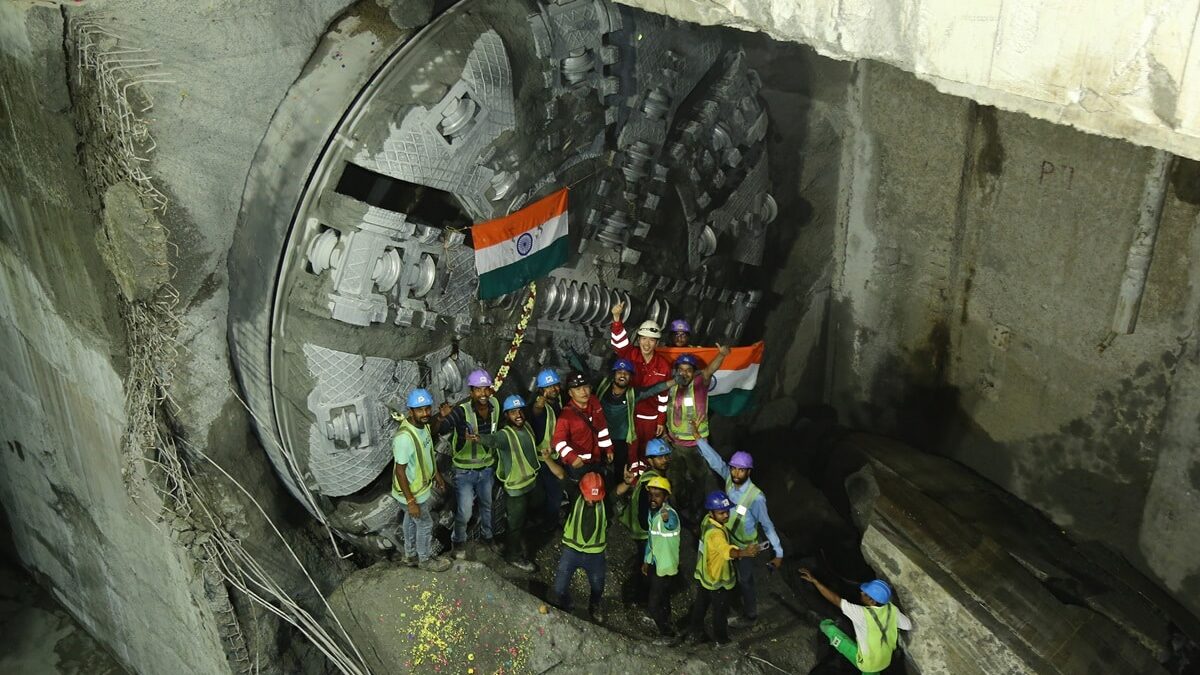
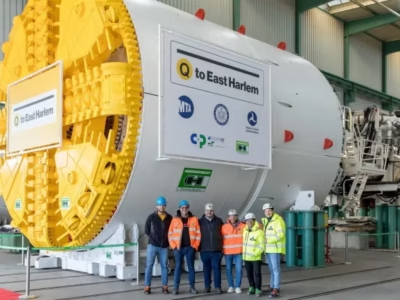
The package includes two parallel earth pressure balance (EPB) shield tunnels, each approximately 4.3km long. Two EPB tunnel boring machines (TBMs) will be used to excavate the twin-bore railway section.
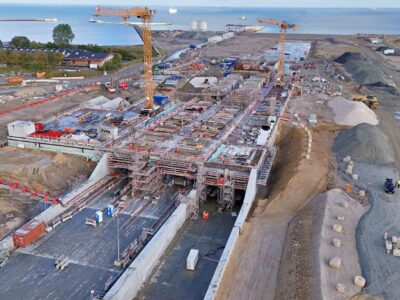
The three underground stations will be constructed using diaphragm wall and top-down methods. Temporary road decking will also be installed to facilitate construction while maintaining surface-level activities.
Additional works include a TBM launch shaft, mechanical and electrical installations for the stations and tunnels, and associated external infrastructure.
The mechanical and electrical scope covers ventilation, drainage, power distribution, lightning protection, fire protection, lifts, escalators and tunnel lighting.
The construction period is scheduled to extend over approximately 1,827 days, equivalent to five years.
Dhaka MRT Line 1 development
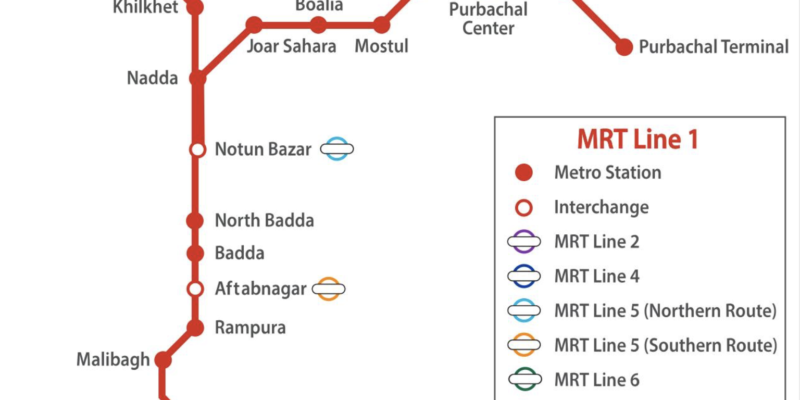
MRT Line 1 is part of Dhaka’s long-term urban transport development programme. The railway is intended to improve public transport connections between central Dhaka, Hazrat Shahjalal International Airport and the developing Purbachal district to the east.
The overall scheme comprises an underground airport route and an elevated branch towards Purbachal. Its delivery involves multiple construction packages covering tunnels, underground stations, viaducts and railway systems.
The project is intended to increase public transport capacity, reduce dependence on road-based travel and improve connectivity between residential, commercial and transport hubs across the capital.
Package CP-06 adds a major underground construction contract to the programme, combining twin EPB tunnel drives with deep station excavation and the integration of tunnel and station systems in a densely developed urban environment.